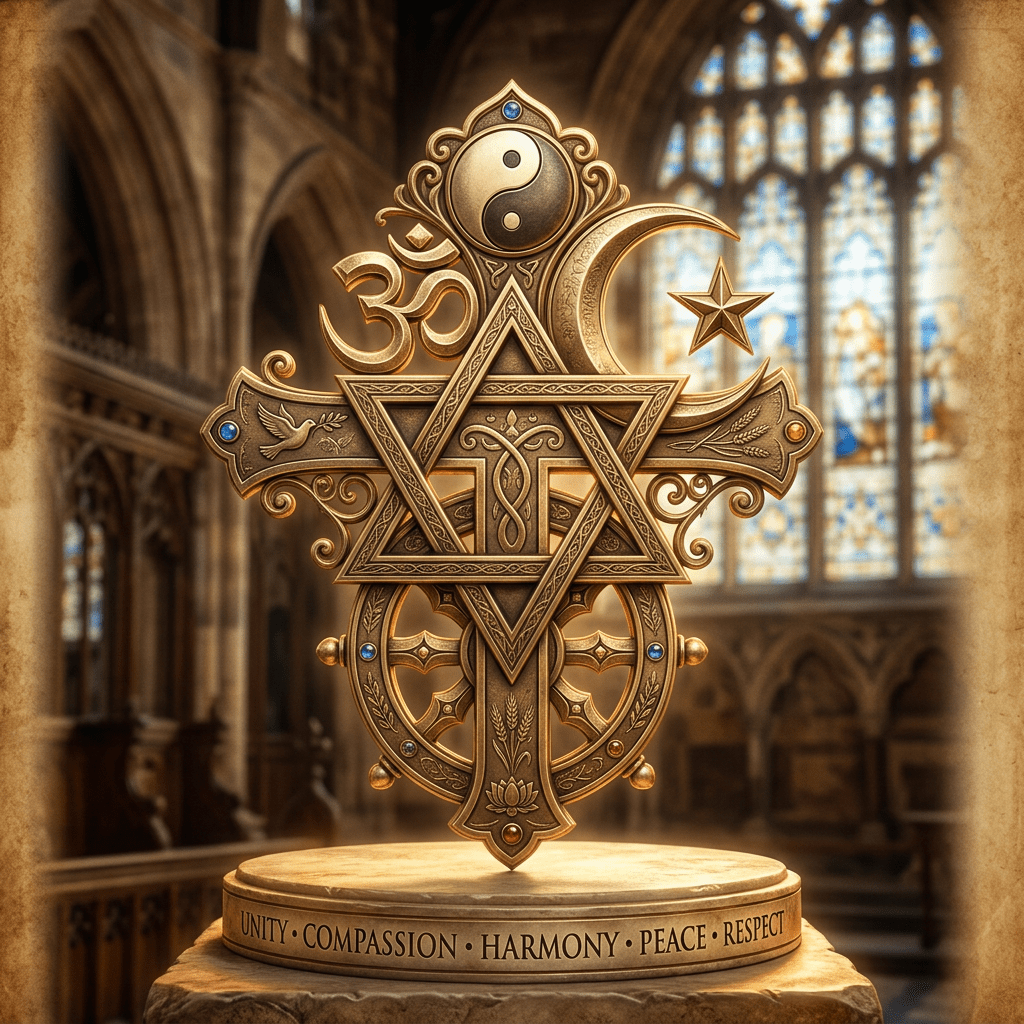
1 Kings 3:3 “Solomon loved the Lord, walking in the statutes of David his father, only he sacrificed and made offerings at the high places.”
There’s almost always a qualifier. Have you noticed this as you’ve read about the lives of the people in the Bible? The vast majority, even those who were otherwise known as godly men and women, are described as people that were serving the Lord, but they served Him with a “however.” David was like that. He is described as a man after God’s own heart; however, the incident of Bathsheba and Uriah marks his life like a sore thumb. Samson was empowered by God as a mighty judge and savior of Israel, yet he was morally very weak. Moses was one of history’s greatest leaders, but he murdered a man and was forbidden from entering the Promised Land for striking a rock in a sin against God’s command. Solomon was no different. He is described as the wisest man that ever lived, however, as we are told in the verse above, “only he sacrificed and made offerings at the high places.” These were mountains, large trees, and other elevated locations that the Canaanites had used for idol worship. Israel was forbidden from using these locations by God, but they used them anyway. They used them to make sacrifices to God. It was the sin of syncretism, i.e., a mixture of the world’s ways or the world’s religious practices with the worship of the true God. Later, Solomon ended up worshipping many idols. It was a result of following after the practices of his many idolatrous wives.
Looking at New Testament times, the Jewish religious leaders of the first century were like this. They professed to worship the God of Abraham, Isaac, and Jacob, while at the same time they murdered His Son, Jesus Christ. They had one foot in and one foot out when it came to their practice of Judaism, and it was an abomination condemned by a holy God. Jesus told them that “for the sake of your tradition you have made void the word of God” (Matthew 15:6).
In Jesus’ messages to the seven churches in Revelation, He rebuked many of them because they, very soon after the church had been founded, had allowed syncretism to slip into their lives. For example, the church at Smyrna had some who were holding to the teaching of Balaam and others to the teaching of the Nicolaitans. Both were false teachings and spiritual aberrations. There was a similar problem in the church at Thyatira. The churches at Ephesus, Sardis, and Laodicea were all also rebuked by Christ.
So, what about us in this day and age? What would Jesus say to us if He would examine us like He did those seven churches? Would He see that we had an undivided heart, loving Him and hating sin? Would He find us to be faithful to what He has told us in His Word, or would there be a qualifier because false teaching had found its way in? And what about how we live? Would He call us good and faithful servants, or would we look so much like the world around us that it would be difficult to call us servants at all?
Syncretism: it was everywhere in the Old Testament, it was rife in the New Testament Church, and you can be sure it’s even more prevalent today. May God help us to have a single-minded devotion to Him, for as Jesus said, we can’t serve two masters, for if we are, then we are certainly not serving Him.


Leave a Reply