2 Samuel 20:3-25 “And David came to his house at Jerusalem. And the king took the ten concubines whom he had left to care for the house and put them in a house under guard and provided for them, but did not go in to them. So they were shut up until the day of their death, living as if in widowhood. . . And Joab took Amasa by the beard with his right hand to kiss him. But Amasa did not observe the sword that was in Joab’s hand. So Joab struck him with it in the stomach and spilled his entrails to the ground without striking a second blow, and he died. . . Then the woman went to all the people in her wisdom. And they cut off the head of Sheba the son of Bichri and threw it out to Joab.”
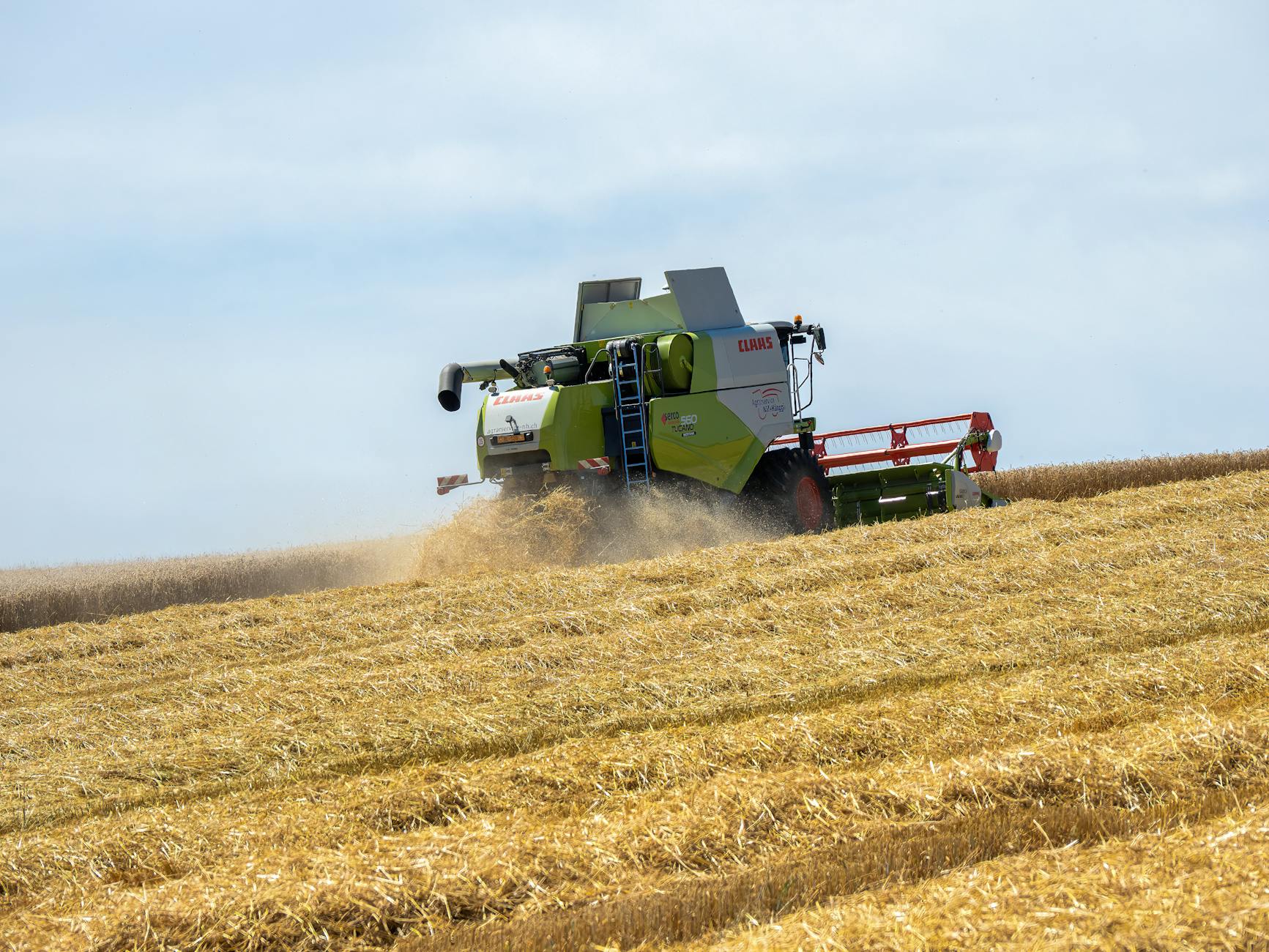
Have you heard the philosophy, “As long as I’m not harming someone else, it doesn’t matter what I do with my own body”? It’s the idea that what I do in isolation – or maybe with another person, just the two of us, isn’t anyone else’s business. So, is that how the real world works? Or was the God Who claims to know everything right when He said, “A little leaven leavens the whole lump” (Galatians 5:9)? In this verse, sin is likened to leaven. It’s the idea that sin, whenever, wherever, and by whomever it comes, has far-reaching effects far beyond anyone’s capacity to understand or control. James 1:14-15 puts it this way: “Each person is tempted when he is lured and enticed by his own desire. Then desire when it has conceived gives birth to sin, and sin when it is fully grown brings forth death.” In other words, sin, though it starts small, as with a simple nefarious idea or desire, can result in consequences that are far-reaching and ultimately conclude in death. Galatians 6:7 puts it this way: “Do not be deceived: God is not mocked, for whatever one sows, that will he also reap.” But note that when we sow a seed, we never just get one seed back. The reaping is always many-fold greater. And the Lord would have us know that that is exactly how sin works. That’s how destructive it is.
In the excerpts above from 2 Samuel 20, we have a perfect example of this. It’s the account of the chaotic way in which King David resumed his authority of the throne of Israel following the civil war that had been initiated by his son Absalom. First, people died as a result of the war itself, not the least of whom was Absalom. Then, David’s concubines, whom he had left behind when he abandoned Jerusalem, were greatly affected. First, Absalom had sexually violated them as an ultimate act of rebellion against his father. And then, because of that violation, David shut them up in what was essentially widowhood until their own death. Next, Joab, David’s headstrong commander, killed Amasa out of jealousy. You see, David had humiliated Joab by giving his position to Amasa because it had been at Joab’s hand that Absalom had been killed (in violation of David’s command to him). And then Sheba, who led a second revolt against David’s kingdom, was also killed. And what set all the wheels in motion for all this mayhem and death? It was David’s “private” rendezvous years earlier, with Bathsheba. This “secret” sin resulted in untold grief for David’s kingdom as David, as well as many others, reaped what he had sown. It’s a principle that has been repeated over and over in the world since the very beginning when Adam and Eve thought that they knew more than God. For so, “sin came into the world through one man (i.e., Adam), and death through sin, and so death spread to all men because all sinned” (Romans 5:12).
Yes, a little leaven has indeed leavened the whole lump, and the evidence is everywhere we look. Which then points us to God’s incredible grace, i.e., the awesome plan He initiated before the world began as a remedy. It’s described in the following words from Romans 5:17-21: “For if, because of one man’s trespass, death reigned through that one man, much more will those who receive the abundance of grace and the free gift of righteousness reign in life through the one man Jesus Christ. Therefore, as one trespass led to condemnation for all men, so one act of righteousness leads to justification and life for all men. For as by the one man’s disobedience the many were made sinners, so by the one man’s obedience the many will be made righteous. Now the law came in to increase the trespass, but where sin increased, grace abounded all the more, so that, as sin reigned in death, grace also might reign through righteousness leading to eternal life through Jesus Christ our Lord.” With these words, the Bible points us to the cross, that one act by the perfect Lamb of God by which He made it wonderfully possible to take away the sins of the whole world. And so we have the awesome reverse of the curse, including the devastating curse of sin through the principle of sowing and reaping. Jesus put it like this as He prophesied His coming death and resurrection to His disciples: “The hour has come for the Son of Man to be glorified. Truly, truly, I say to you, unless a grain of wheat falls into the earth and dies, it remains alone; but if it dies, it bears much fruit” (John 12:23-24). And the “fruit” that He was referring to was the many lives that would eventually be raised to eternal life as the result of the death and resurrection by which He would destroy the effects of sin on this world. Wonderfully, the Scriptures give us a picture of the final result of all this in John’s vision recorded in Revelation 7:9-10, where John saw “a great multitude that no one could number, from every nation, from all tribes and peoples and languages, standing before the throne and before the Lamb, clothed in white robes, with palm branches in their hands, and crying out with a loud voice, ‘Salvation belongs to our God who sits on the throne, and to the Lamb!’”
Praise the name of the Lord! Praise be to the great Lamb Who so wonderfully and gloriously takes away the sin of the world! May you be one who receives the gift of God’s grace by placing your faith in what the Son of God has done for you. It’s your choice – to reap the result of sin, or to reap the result of God’s one and only remedy for sin. What will your sowing – and reaping be?


Leave a Reply