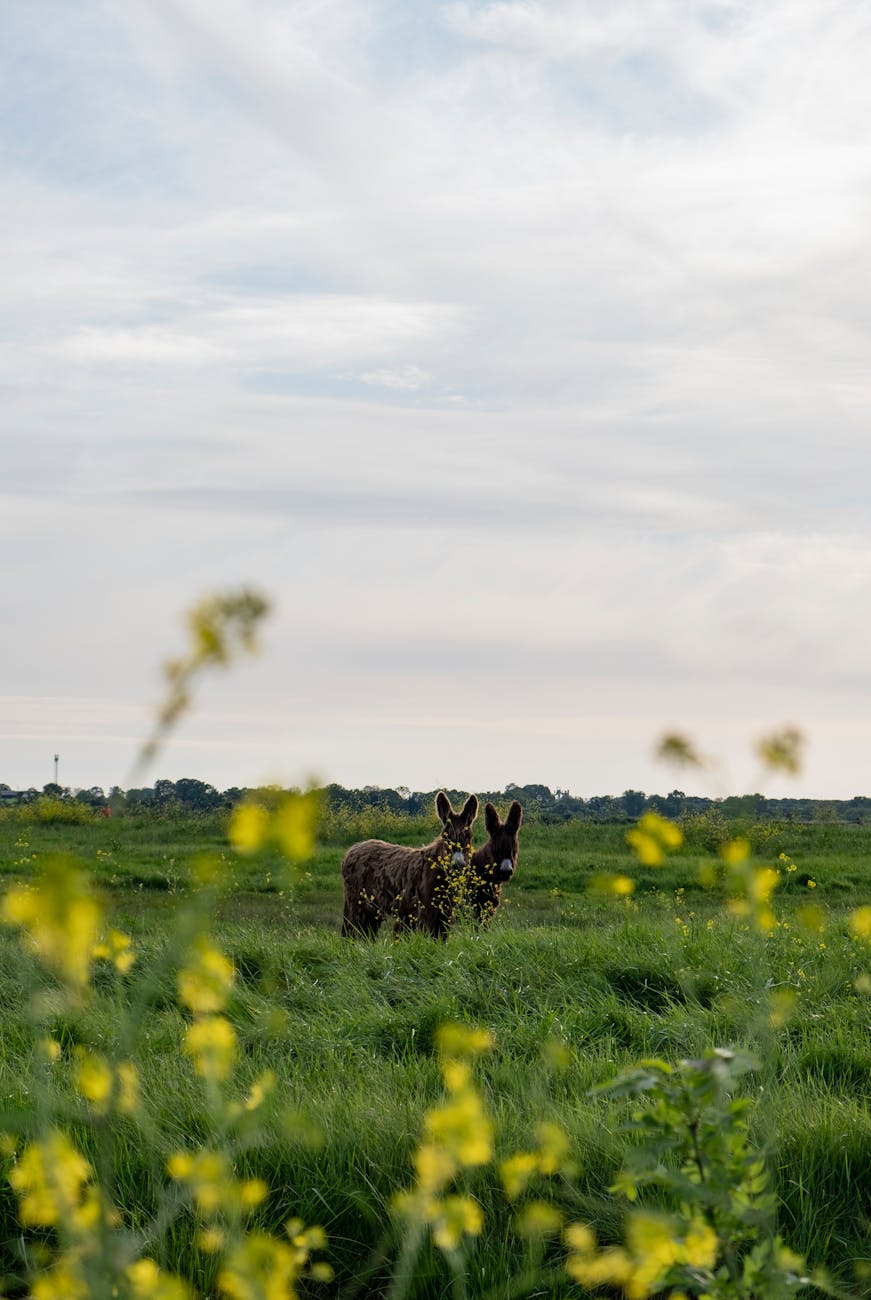
1 Samuel 9:5-6 “When they came to the land of Zuph, Saul said to his servant who was with him, ‘Come, let us go back, lest my father cease to care about the donkeys and become anxious about us.’ But he said to him, ‘Behold, there is a man of God in this city, and he is a man who is held in honor; all that he says comes true. So now let us go there. Perhaps he can tell us the way we should go.’”
Philippians 4:6-7 “Do not be anxious about anything, but in everything by prayer and supplication with thanksgiving let your requests be made known to God. And the peace of God, which surpasses all understanding, will guard your hearts and your minds in Christ Jesus.”
Why does life have to be filled with so many problems? As you look at your situation in life today, isn’t that how it seems? Remember back to the worldwide pandemic – both the direct effect of an illness that seemed always to be lurking in the shadows, and all the indirect effects on the economy, education, church, the work place, and the list goes on. But since that time, many people are dealing with other health issues, family problems, financial challenges, and another list that also goes on and on. Why does it have to be this way? Doesn’t God care? Is He really in control when everything around us seems to be spinning out of control?
Well, one of the things that problems do is bring us to a point where we need help. In the Bible we see a pattern where so often, when things were going so well, the people of God turned their eyes away from God and fixed their gaze on the good things God had blessed them with. This is nothing more than idolatry, the very opposite of the worship of God. In Deuteronomy 32,we see Israel’s history described in poetic language. It talks about how God had chosen and blessed Israel from the beginning of their history. It says “He (i.e., God) found him in a desert land, and in the howling waste of the wilderness; He encircled him, He cared for him, He kept him as the apple of His eye. Like an eagle that stirs up its nest, that flutters over its young, spreading out its wings, catching them, bearing them on its pinions, the Lord alone guided him, no foreign god was with him. He made him ride on the high places of the land, and he ate the produce of the field, and He suckled him with honey out of the rock, and oil out of the flinty rock. Curds from the herd, and milk from the flock, with fat of lambs, rams of Bashan and goats, with the very finest of the wheat—and you drank foaming wine made from the blood of the grape.” And what was Israel’s reaction to such blessing? “But Jeshurun (another name for Israel) grew fat, and kicked; you grew fat, stout, and sleek; then he forsook God who made him and scoffed at the Rock of his salvation. They stirred Him to jealousy with strange gods; with abominations they provoked Him to anger. They sacrificed to demons that were no gods, to gods they had never known, to new gods that had come recently, whom your fathers had never dreaded. You were unmindful of the Rock that bore you, and you forgot the God Who gave you birth.”
It is with these words that we see the history of Israel throughout the Old Testament. In times of trouble, eventually, the nation would turn to God. God, in His unfailing mercy and grace, would then turn to them and bless them. Yet, inevitably, it was in times of blessing that the people, rather than draw closer to this wonderful God from Whom every good gift came, would turn away from Him, reject Him, and go their own way – only to have the same cycle repeat, over and over again. Inevitably it was only in times of trouble that the people would turn back. The people of Israel, those whom God had labeled as my people, would draw near to God more in times of trouble than in times of blessing.
You see, God has so much that He wants to do for us. There is so much He wants to teach us. He has a future for us, a future of blessing and hope in the midst of a world plagued by the effects of sin and seemingly in chaos and spinning out of control. But so often, it is only in times of trouble that we turn to Him – and so those times come – not to harm us, but to bless us, for God’s greatest desire for us is that we abide in Him, walk with Him, love Him, and be led by Him as was the man Christian, in the novel, “Pilgrim’s Progress,” to a life of eternal blessing and fellowship with Him in the end. It is an ever-growing relationship with Him that is more God’s will for us than our comfort and a trouble-free life. That’s why, even in the little things, He tells us to come to Him.
We see such an example in the verses above, where the man who would be Israel’s king finds himself searching high and low for his father’s lost donkeys. Frustrated by failure, he, finally, through the counsel of his servant, turns to the man of God. And what does He find? He finds a relationship with the God of the universe, and through that relationship a life that he never could have imagined. It was, of all things, lost donkeys that led him there. But in his difficulty, He found that there is One Who was at work in His life to bring unimaginable blessings (although, regrettably, like his nation, he would spurn it all in the end). It was the man of God, who was in close fellowship with God, one whose every word came true because he knew the One Who is the Truth, who could tell Saul the way He should go.
So, how do you see your problems? Are you at your wits’ end, or are you bringing those problems to God? Do you realize how much He wants you to have a relationship with Him? Do you realize that every problem is, at its heart, another opportunity to draw closer to God? You see, God knows what is best for us. He knows that it is only in a relationship with Him that we will ever find peace. And it’s a peace that no problem can shatter. Whatever the problems you face, whatever the trials of this hour, know that God has things for you that surpass your understanding, if you will only turn to Him and believe.
 To Encourage You
Leave a comment