2 Corinthians 1:21-22 “And it is God who . . . who has also put his seal on us and given us his Spirit in our hearts as a guarantee.”
Are you sure you are a Christian? Indeed, can you be sure? On what basis? The Bible says things like “I write these things to you who believe in the name of the Son of God, that you may know that you have eternal life” (1 John 5:13). But how can we be sure we have believed, i.e., believed in the way that this verse is talking about? Surely, there are false kinds of “belief.” To those who claim they believe, James said this: “You believe that God is one; you do well. Even the demons believe—and shudder!” (James 2:19). Obviously, the demons can’t call themselves “Christians.” So, how do we know if our own belief is any better than theirs? How can we be sure that we won’t be those who call Jesus their “Lord” to only be rebuked with these searing words from Jesus in the end: “I never knew you; depart from me, you workers of lawlessness” (Matthew 7:23)?
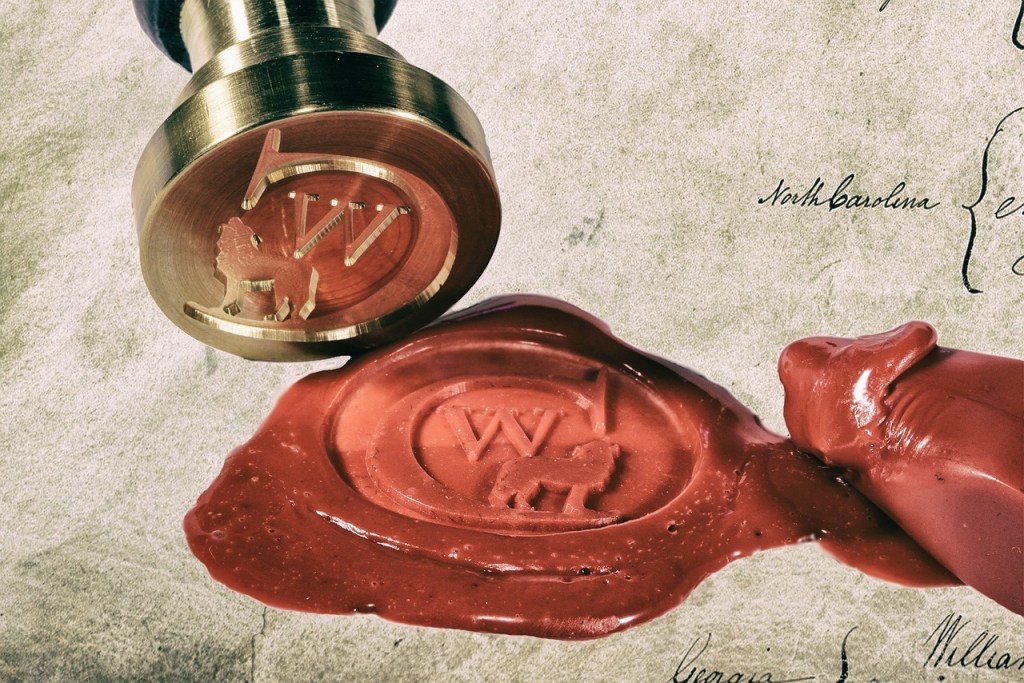
Well, like any other critical question about spiritual things, the Bible has the answer. One place it addresses this is in the verse above. Here it tells us that God has given true believers a “seal.” A seal is a visible mark that ancient kings would press into clay on a decree they might issue. This seal was the king’s mark of authenticity. And what is this mark, this seal? It’s not a physically visible thing like a clay seal. Rather, it’s the mark of the Holy Spirit on a life. If that marks a life, it is a “guarantee” to that person that they indeed are true believers in God. This word “guarantee” in the Greek language in which it was written carries with it the idea of a visible pledge, like an engagement ring for one’s fiancée. But what does such a seal “look” like? How does any person know he or she has this, for indeed this mark is meant to be known? Otherwise why would the Scriptures say such things as “Examine yourselves, to see whether you are in the faith. Test yourselves” (2 Corinthians 13:5a). But again, what do we actually look for?
Well, in 2 Corinthians 13:5b we are told essentially the same thing as in 2 Corinthians 1: “Do you not realize this about yourselves, that Jesus Christ is in you? —unless indeed you fail to meet the test!” In other words, the seal, the evidence in both cases, is that Jesus Christ, i.e., the Spirit of Christ, will be in us. And if Christ’s Spirit, which is just another name for the Holy Spirit, is in us, the evidence of the Spirit will mark our lives. The things that God loves we will love, like the Word of God, the Son of God, and all the other true children of God which make up the true Church. And the things God hates we will hate, like our sin and the sin we know enslaves the lives of others. Our lives will bear fruit that is reflective of the Holy Spirit which dwells in us and not the works of the flesh that those without the Spirit display. These differing fruits are described in the following passage from Galatians 5: “Now the works of the flesh are evident: sexual immorality, impurity, sensuality, idolatry, sorcery, enmity, strife, jealousy, fits of anger, rivalries, dissensions, divisions, envy, drunkenness, orgies, and things like these. I warn you, as I warned you before, that those who do such things will not inherit the kingdom of God. But the fruit of the Spirit is love, joy, peace, patience, kindness, goodness, faithfulness, gentleness, self-control; against such things there is no law. And those who belong to Christ Jesus have crucified the flesh with its passions and desires.” Along with these desires will be other desires that are rooted in a love for God. We will have a desire to pray, to give to the work of the kingdom, to talk about things of the kingdom of God by sharing with unbelievers as well as with other believers. It is these things that will “mark” a believer for they are the “seal” that demonstrates that a person has actually been given the Spirit as that seal. But if they are not evident, if there is no desire for such things, if the fruit of the Spirit is foreign to a person while the works of the flesh seems like a normal everyday thing, then it can be certain that there is no such seal, for the tests God has given us have all failed.
So, are you sure you are a Christian? Do you think you are one because you were raised by Christian parents, you attend(ed) a Christian church, or you were born in a “Christian” nation? If so, you may want to think again, for none of these things are on the exam that God has given us to test ourselves as to whether we are in the faith.
 To Encourage You
Leave a comment