Matthew 25:42-45 “I was hungry and you gave me no food, I was thirsty and you gave me no drink, I was a stranger and you did not welcome me, naked and you did not clothe me, sick and in prison and you did not visit me.’ Then they also will answer, saying, ‘Lord, when did we see you hungry or thirsty or a stranger or naked or sick or in prison, and did not minister to you?’ Then he will answer them, saying, ‘Truly, I say to you, as you did not do it to one of the least of these, you did not do it to me.’”
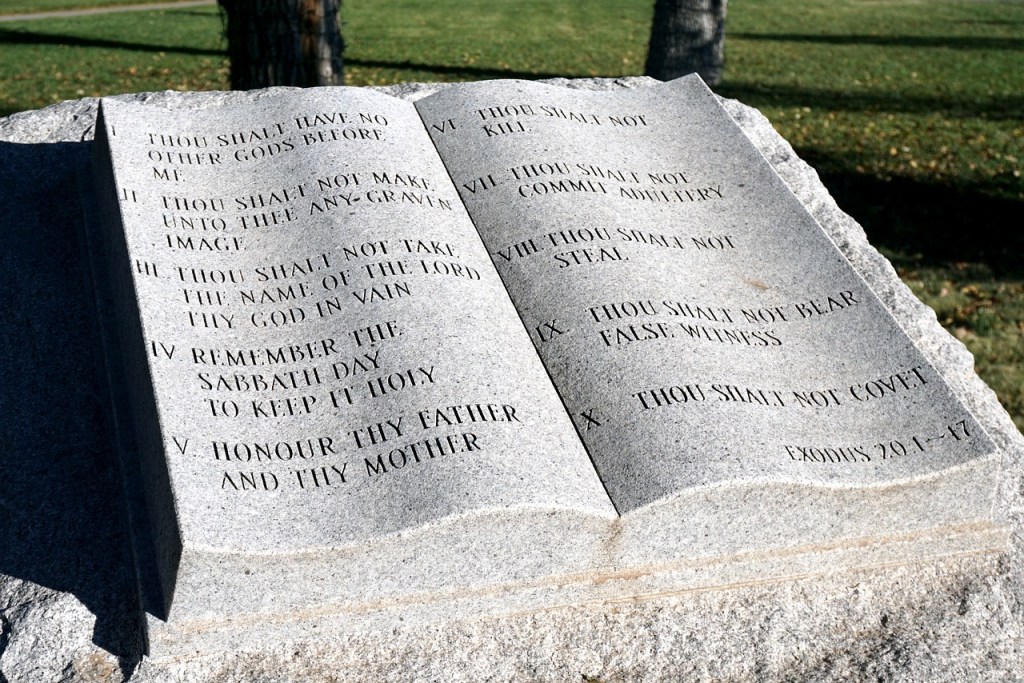
Legalism: it’s a concept condemned throughout the Bible. It’s the concept that people can be good enough to please God by following a certain moral or ethical code. Adherents to this belief can be very religious, very committed to certain religious practices, and very careful to not do certain things, because, in their own minds, if they don’t do those things, God may one day welcome them into His kingdom. Facetiously I’ve heard people talk about this philosophy like this: “I don’t smoke or chew or go with girls that do!” But the fact is, that’s how many people view religion. It’s all about following laws – including the law of the Bible, to win favor with God. It’s the very philosophy that the rich young ruler held to as He came to Christ and asked Him what he had to do in order to have eternal life. Jesus replied to him with these words: “You know the commandments: ‘Do not murder, Do not commit adultery, Do not steal, Do not bear false witness, Do not defraud, Honor your father and mother’” (Mark 10:19). It’s interesting that most of what He told Him was a list of “do nots.” The young man viewed himself as righteous based on this list, for he was a legalist. But then Jesus took it one step further with this command: “You lack one thing: go, sell all that you have and give to the poor, and you will have treasure in heaven; and come, follow me.” When he heard this, the Bible says “he was disheartened by the saying, he went away sorrowful, for he had great possessions.”
You see, Jesus knew the young man’s heart, and that his idol was money. He refused to trust and obey Jesus because it was his money that he ultimately trusted in. So often our focus in religion can be this same legalistic emphasis on what we don’t do, just like the rich young ruler. Interestingly, in the final judgment that Jesus talks about in Matthew 25 above, He places an emphasis on what are known as “sins of omission,” i.e., things we should have done that we did not, and not on the things that we didn’t do by adhering to a moral code. He points to this clear mark of belief in Him: a love of those around us. It’s a heart for those who are “hungry or thirsty or a stranger or naked or sick or in prison.” It’s a heart that is not self-centered, but self-sacrificial and tender towards those in need. And it is a heart that is not just sympathetic towards others, giving them “our thoughts and prayers,” but a heart that is moved towards acts of compassion, like the good Samaritan who ministered sacrificially to one whom he saw in need.
It is such things that mark a person whose heart has been transformed by God, and whose “faith” is demonstrated by works of love because of the gratitude for the forgiveness of God for their many sins. It is the heart, like that of the apostle Paul, who viewed himself as “the worst of sinners” (1 Timothy 1:15) once he understood Who Jesus was, as opposed to how he had viewed himself previously, i.e., “as to righteousness under the law, blameless” (Philippians 3:6), all the while in his legalism he was persecuting Christians to the death (Acts 22:4).
So, what about you? Are you planning to stand before God someday and justify yourself by your adherence to the law of God? If so, please be aware of the Bible’s clear warnings against such legalistic views, “for by works of the law no human being will be justified in His sight, since through the law comes knowledge of sin” (Romans 3:20). No, as the Bible emphasizes over and over again, “For by grace you have been saved through faith. And this is not your own doing; it is the gift of God, not a result of works, so that no one may boast” (Ephesians 2:8-9). And that true faith will demonstrate itself in love, a love that reaches out and cares for the “least of these,” which is the same as a true love for Christ.
 To Encourage You
Leave a comment